
Using Classic Literature to Teach 40 Literary Terms
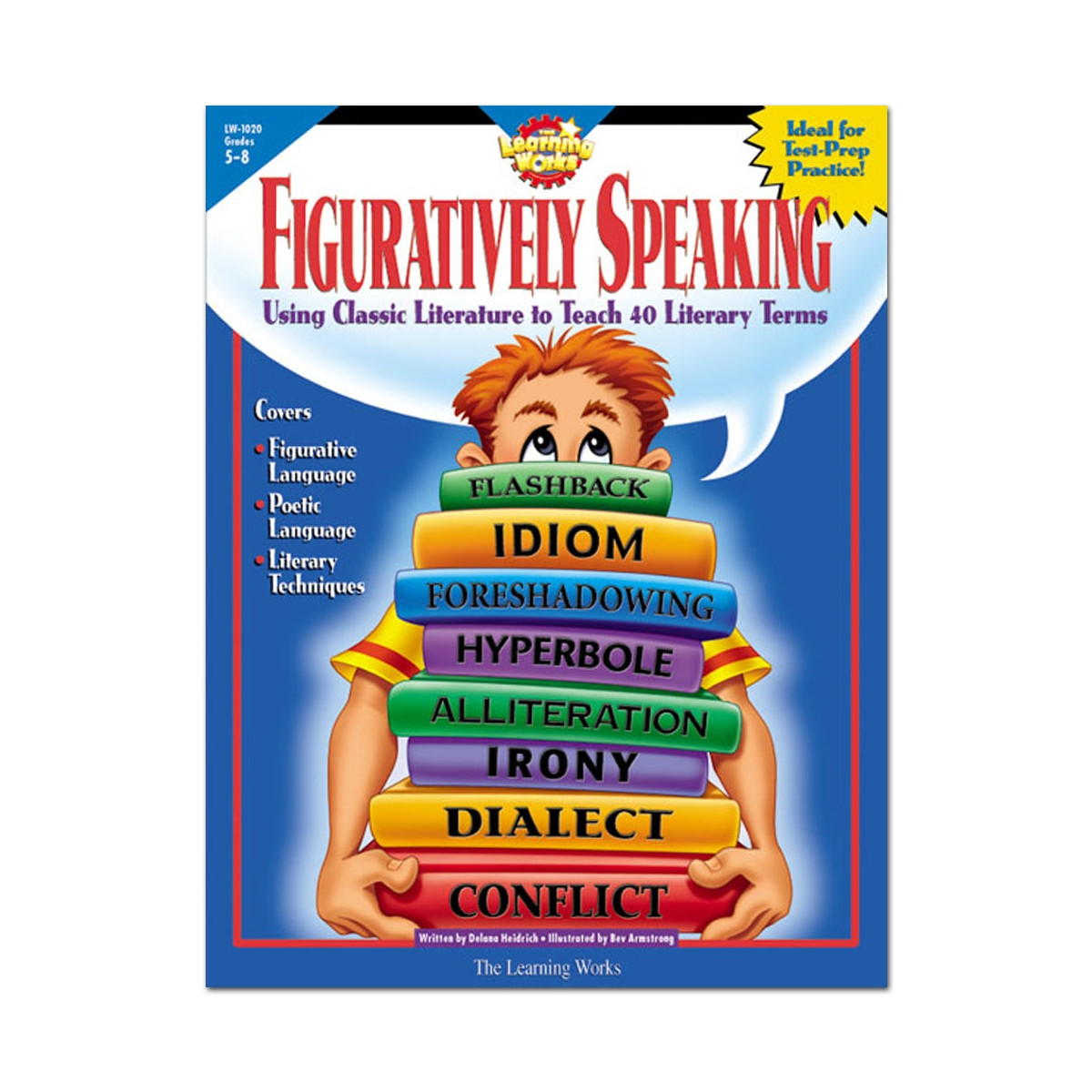
This resource book draws on classic literature to illustrate the use of 40 basic literary terms. Divided into sections on figurative language, poetic language, and literary techniques, the book covers hyperbole, metaphor, irony, imagery, dialect, plot, alliteration, onomatopoeia, allusion, conflict, and lots more! The first page of each lesson includes a definition of the term and one or more samples from grade-appropriate classic literature. The next two pages challenge students to identify and understand the term and to use it on their own.
Using Classic Literature to Teach 40 Literary Terms
This resource book draws on classic literature to illustrate the use of 40 basic literary terms. Divided into sections on figurative language, poetic language, and literary techniques, the book covers hyperbole, metaphor, irony, imagery, dialect, plot, alliteration, onomatopoeia, allusion, conflict, and lots more! The first page of each lesson includes a definition of the term and one or more samples from grade-appropriate classic literature. The next two pages challenge students to identify and understand the term and to use it on their own.
Figuratively Speaking takes the hit-and miss-out of teaching students literary terms and providing technique instruction . This comprehensive resource book draws on classic literature to illustrate the use and understanding of basic literary terms using three general categories:
Figurative Language
Poetic Language
Literary Technique
Each lesson (centered around one literary term) included a definition of the term and one of more samples from grade-appropriate classic literature, followed by activities that challenge students to identify and understand the term and use it on their own.
No customer reviews for the moment.
Using Classic Literature to Teach 40 Literary Terms
This resource book draws on classic literature to illustrate the use of 40 basic literary terms. Divided into sections on figurative language, poetic language, and literary techniques, the book covers hyperbole, metaphor, irony, imagery, dialect, plot, alliteration, onomatopoeia, allusion, conflict, and lots more! The first page of each lesson includes a definition of the term and one or more samples from grade-appropriate classic literature. The next two pages challenge students to identify and understand the term and to use it on their own.